Importance of Sharps Waste Management in Saving Lives
📝
🕐 2022-06-01 18:48:07

Md. Abdur Razzaq

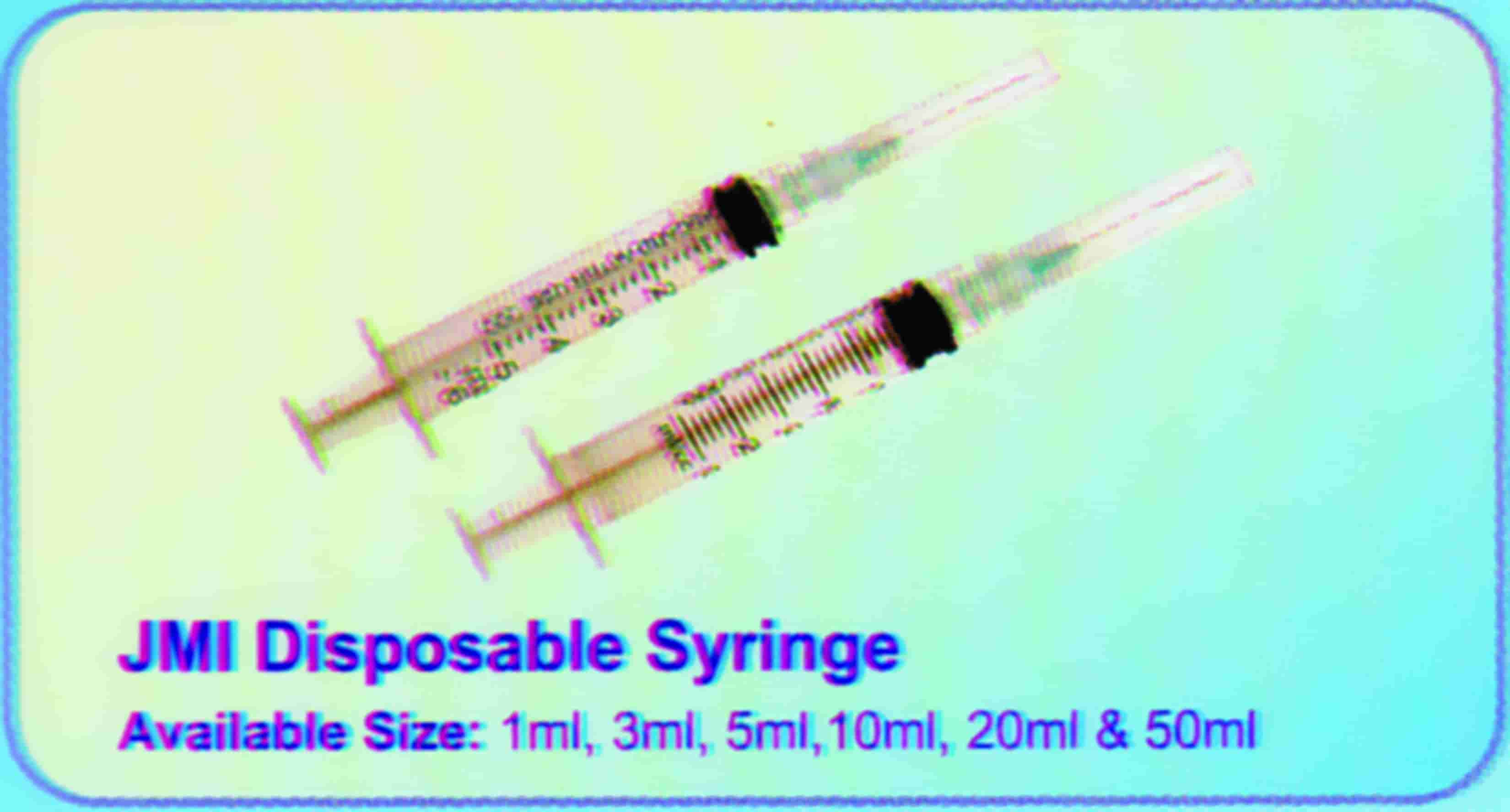
Sharps waste is a form of biomedical Waste composed of used sharps like, Syringes & Injection devices, Blades and Contaminated glass & some plastics which is also classified as bio-hazardous waste.
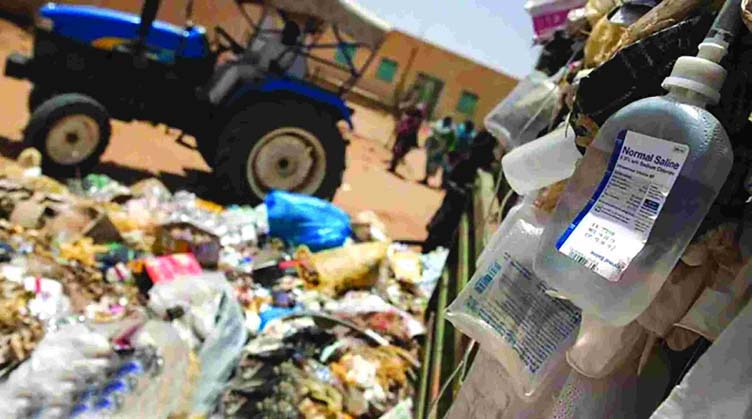
As a bio-hazardous material, injuries from sharps can pose a large public health concern. By penetrating the skin, it is possible for this waste to spread and transmit life-threatening blood borne diseases. Poor management, lack of handling knowledge and unscientific disposal of various healthcare wastes pose serious direct and indirect public health threats to healthcare personnel, Nurses, Technicians, Waste workers, Hospital visitors, Patients, General Public, surrounding communities and the environment as well.
Diseases most frequently transmitted through unsafe injection practices are hepatitis B, hepatitis C and HIV/AIDS. WHO estimates that annually 21 million hepatitis B, 2 million hepatitis C infections and 260000 HIV/AIDS cases may be caused by re-use of syringes and needles without sterilization. In addition, unsafe injections cause abscesses and lead to Septicemia. Hemorrhagic fevers and malaria can also be transmitted.
A safe injection does not harm to the recipient, does not expose the health worker to any risk and does not result in waste that is dangerous for the community. To achieve this, the injection needs to be administered using a sterile syringe and needle. After administration, sharp equipment needs to be discarded in a puncture-proof container for appropriate disposal. Any break or departure from this procedure represents a risk, rendering injection unsafe.
Appropriate and safe management of Healthcare Wastes is acknowledged globally. WHO & EPA (Environmental Protection Agency) have emphasized the need to handle & disposal of hospital wastes from the healthcare establishments in proper ways.
In Bangladesh, healthcare facilities extended through Hospitals, Clinics, Diagnostic centers and by other sources, have increased substantially during last decade in both urban & rural areas of the country. So, volume of healthcare wastes also has increased accordingly. Observation reveals that major portion of this increasing healthcare wastes disposal are not done properly which is rather proceeding towards very alarming situation.
In recent past, The Drug Administration of Bangladesh (DGDA) has presented the nation “Registration Guidelines for Medical Devices Bangladesh-2015” in order to implement regulatory requirements in production, import, sales & use of medical devices which is considered to be indispensable in the greater healthcare interest of our people.
It is expected that this guideline will enable healthcare authority and other stakeholders to ensure that Bangladeshi citizens can avail Medical Devices conforming to internationally acceptable standards of quality, safety and performance at affordable price.
In saving lives, availability of safe Medical Devices is significantly important. Safe disposal of Healthcare Sharp Wastes is also equally important in saving lives.
A good number of organizations are working on healthcare waste management system. As such the situation has improved considerably in some part of bigger cities only. But as a whole, we are far from the required waste management system in -major areas of our country-wide healthcare service at both public and private sectors.
Formulation of an appropriate policy regarding “Sharp Wastes Management System” as a matter of legislation with a manual that needs to be followed by all healthcare service providers in Bangladesh, now has become a mandatory requirement to save our people from undue sharps waste induced sufferings which might cause even death.
Md. Abdur Razzaq, one of the distinguished business personalities and the Managing Director of JMI GROUP. The JMI Group is one of the world renowned and diversified global conglomerates of 32 companies with more than 7,000 highly dedicated and educated workforces particularly in the healthcare services.




More News From This Category