USE OF SYRINGES FOR INJECTIONS: BENEFIT, RISKS AND AWARENESS – A GLOBAL CONCERN GLOBAL SCENARIO
📝
🕐 2022-08-23 19:35:22

Md. Abdur Razzaq

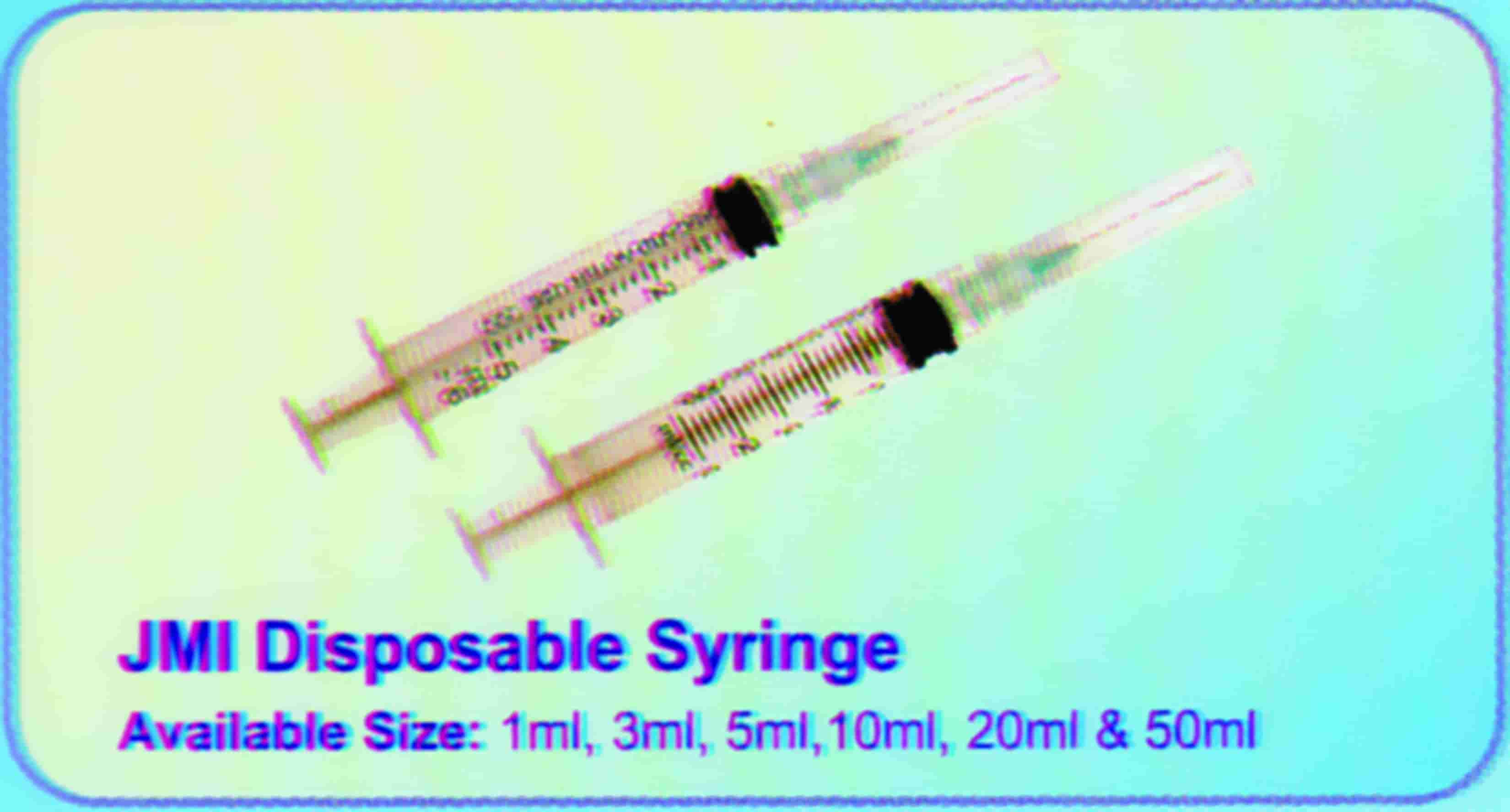
World Health Organization (WHO) estimates some l6 billion injections are administered per year worldwide. Based on other evidences, this number is considered to be more high. Few relevant examples are cited below:
Pakistan: It has been documented that the average injections per person per year in Pakistan is as high as 12.4 injections with a population of 204 million as at 2018 (US Bureau of Census). This means, Pakistan alone require 2.5 billion syringes per annum. But considering the re-use practice of syringes in Pakistan, total syringe use would be 800 — 1000 million. This is just one country.
India: In India with a population of 1.28 billion (2018), considering an average of 5 injections per person per year, total requirement equates to 6 billion. But since re-use of syringes also takes place in India, it is suggested that at least 4 billion syringes are used per annum in India.
Bangladesh: It is assumed that average injections per person per annum is 4.5 for a population of 0.16 billion people requiring a total of 0.72 billion injections. Considering the prevalence of re-use practice, total syringes used per year in Bangladesh is estimated to be 0.45 billion.
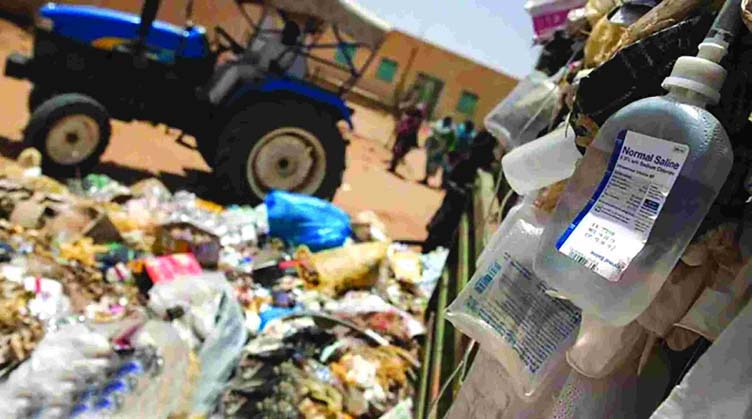
From above 3 examples (Pakistan, India and Bangladesh), we find that 5.45 billion syringes are used for a population of 1.64 billion people. There are 7.4 billion people in the world. From this exercise, we can assume that global requirement of syringes would be nearly 25 billion per year. Considering the use trend in USA (as high as 24.5 injections per person per annum for 326 million people), production capacity of global reputed companies like, BD, Medronic, B.Brown, Nipro, HMD and manufacturers from China and other countries, the worldwide production units is considered to be 48 -50 billion. More authentic and professional data is needed to assess country-wise global use of syringes. We emphasize the need for more professional assessment of the same from relevant authorities. Injections are administered for saving lives. Safe injection practice is equally important to prevent transmission of life threatening diseases like, Hepatitis B, Hepatitis C and HIV/AIDS. In saving lives, availability of safe medical devices is very important. Safe disposal of healthcare sharp wastes is equally important in saving lives. WHO‘ estimates that annually 21 million Hepatitis B, 2 million Hepatitis C infections and 216000 HIV/AIDS may be caused worldwide due to unsafe‘ use of syringes and needles which also may cause abscesses and lead to septicemia. Above scenario is the undesirable consequence of re-use prevalence of syringes, inappropriate management and disposal of medical wastes.
Medical devices: Bangladesh scenario: Unlike pharmaceutical sector, we are almost 90% dependent on foreign countries for medical devices. So, enough opportunity is left vacant for local entrepreneurs to meet local requirement. Export potential is also very high provided we can match global players in terms of price and quality. We are thankful to the Govt. of Bangladesh for the first time declaration of 10% cash incentive for export of medical devices. Global market is highly competitive. Govt. of China provides 17% cash incentive for export of the same. In order to explore foreign market and facilitate export of medical devices from Bangladesh, a cash incentive of 20% is necessary. We hope. Govt. of Bangladesh will appreciate the proposal in the greater interest and do the needful.
This is highly appreciable that Drug Administration of Bangladesh (DGDA) has presented the nation a long awaiting “Registration Guidelines for Medical Devices Bangladesh-2015” as milestone in order to meet regulatory requirements in production, imports, exports, sales and safe use of medical devices, which is considered indispensable in the greater healthcare interest of people here and abroad.
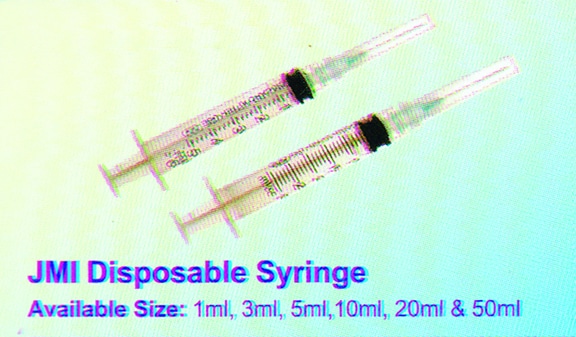
Initiative of local entrepreneurs: It is our pleasure to note here that local entrepreneurs, with “their limited resources, are striving hard to expedite production of some essential medical devices like, Disposable syringes, Auto Disable (AD) syringes, IV Infusion set, Scalp vein set, IV Cannula, Blood Transfusion set, etc. and proved to be able to meet the national requirement at least in the range of products mentioned above, which is very encouraging. We also appreciate that local entrepreneurs, though few in number (10), joined together to from an association named, “Bangladesh Association for Medical Devices & Surgical Instruments Manufacturer & exporter” with the ultimate objective of achieving self-reliance in the field of medical devices and surgical instruments of Bangladesh.
Some National basis Mandatory Requirements:
1. Re-use of syringes to come to an end.
2. Massive level of sharp wastes management in professional way.
3. To encourage more entrepreneurs for development of medical devices and surgical instruments manufacturing facilities not only to explore huge local but also the global business opportunities.
4. Legitimate supports of Govt. in all relevant areas to facilitate achieving substantial growth prospect in medical devices and surgical instruments sector of Bangladesh in the greater interest of becoming self-reliant.
Md. Abdur Razzaq, one of the distinguished business personalities and the Managing Director of JMI GROUP. The JMI Group is one of the world renowned and diversified global conglomerates of 32 companies with more than 7,000 highly dedicated and educated workforces particularly in the healthcare services.





More News From This Category